
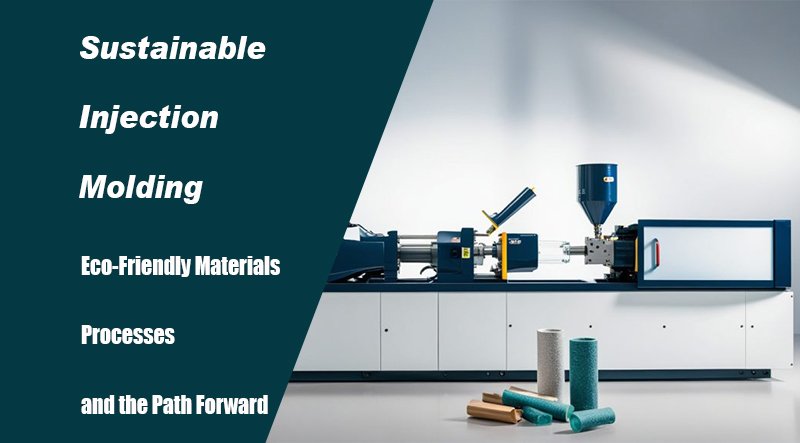
Sustainability is no longer a niche concern in manufacturing – it is becoming a baseline expectation. Major brands, retailers, and regulators are all pushing for reduced environmental impact across the supply chain. For injection molding, this means a fundamental shift in how we think about materials, processes, and product lifecycles.
At Ningbo Yinzhou Tuoda Plastic, we have been actively investing in sustainable manufacturing for years. We process a wide range of eco-friendly materials – from wheat straw bio-plastic and recycled PP (RPP) to PLA and post-consumer recycled (PCR) blends – and we continuously refine our processes to reduce waste and energy consumption.
In this post, I will walk you through the key pillars of sustainable injection molding, the materials and technologies driving change, and how we are helping clients meet their environmental goals without compromising on quality or performance.
Why Sustainability Matters in Injection Molding
The plastics industry is under increasing scrutiny – and for good reason. Conventional plastics are derived from fossil fuels, and their production and disposal contribute significantly to carbon emissions and environmental pollution.
However, plastics themselves are not the enemy. They are lightweight, durable, versatile, and often more energy-efficient to produce than alternatives like glass or metal. The challenge is how we source, process, and manage them at end-of-life.
Sustainable injection molding addresses this challenge through three pillars:
-
Sustainable materials – Using bio-based, recycled, or biodegradable resins
-
Efficient processes – Reducing energy consumption, waste, and cycle times
-
Circular design – Designing parts for recyclability, reuse, or composting
Eco-Friendly Materials – What’s Available and What Works
The range of sustainable materials available for injection molding has expanded dramatically in recent years. Here is a closer look at the most viable options:
1. Bio-Based Plastics (Bioplastics)
Bioplastics are derived from renewable resources such as cornstarch, sugarcane, or cellulose, rather than petroleum. They are not necessarily biodegradable – but they reduce dependence on fossil fuels and lower carbon footprints.
-
PLA (Polylactic Acid): The most widely used bioplastic for injection molding. Derived from corn starch or sugarcane, it offers good processability and mechanical properties. PLA is compostable under industrial conditions and is ideal for cold drink cups, food containers, and disposable cutlery. The global injection-grade PLA market is projected to grow from US$1.89 billion in 2024 to US$3.24 billion by 2032 – a clear sign of accelerating adoption.
-
Bio-based PE: Chemically identical to conventional polyethylene but made from sugarcane ethanol. It can be recycled in existing PE streams – a major advantage for brands looking to transition without disrupting their recycling infrastructure.
-
PBS (Polybutylene Succinate): An emerging bioplastic that can be produced from plant-based residues and is suitable for injection molding, extrusion, and spinning. It is being developed for packaging, consumer goods, and textiles.
2. Recycled Materials
Recycled plastics are arguably the most practical and scalable sustainable option today. They keep plastic waste out of landfills and oceans while reducing demand for virgin resin.
-
RPP (Recycled Polypropylene): Post-industrial or post-consumer recycled PP that performs close to virgin material. Used for industrial bins, automotive parts, and sustainable consumer goods.
-
rABS (Recycled ABS): Maintains good impact strength and processability. Suitable for electronics housings, automotive trim, and eco-conscious products.
-
rPET (Recycled PET): Made from post-consumer bottles. Used for trays, strapping, and new bottles. Reduces waste and energy consumption.
-
PCR Blends: Customizable mixes of post-consumer recycled plastics that support closed-loop initiatives.
3. Agricultural Byproduct Composites
-
Wheat Straw Bio-Plastic: A natural fiber-reinforced composite made from wheat straw – an agricultural byproduct that would otherwise be burned or discarded. It is renewable, partially biodegradable, and significantly reduces carbon footprint compared to conventional plastics. We have successfully used wheat straw bio-plastic for retail display hooks, tableware, and gift items.
-
Wood-Plastic Composite (WPC): Blends wood fibers with thermoplastics, combining the natural look of wood with plastic durability. Used for decking, outdoor furniture, and automotive interiors.
4. Biodegradable Polymers
These materials break down safely in composting environments.
-
PHA (Polyhydroxyalkanoates): A family of biodegradable polyesters produced by bacterial fermentation. PHA is fully biodegradable and marine-safe – but it presents processing challenges due to narrow thermal windows and sensitivity to shear stress.
-
Starch-Based Compounds: These materials incorporate thermoplastic starch (TPS) as a major component, often blended with other biodegradable polymers.
Processing Sustainable Materials – The Real-World Challenges
While sustainable materials offer environmental benefits, they are not drop-in replacements for conventional plastics. They often require different processing parameters, specialized equipment, and greater process control.
Moisture Sensitivity
Bioplastics like PLA and PHA are hygroscopic – they absorb moisture from the air. Even small amounts of moisture can cause hydrolysis during injection molding, degrading the material and causing surface defects, brittleness, and reduced strength. Proper drying (typically to below 0.025% moisture content) is essential.
Narrow Processing Windows
Many bioplastics have narrower temperature ranges than conventional resins. They can degrade if overheated, but may not flow properly if too cool. This requires precise temperature control and often specialized screw designs.
Thermal and Shear Sensitivity
Bioplastics can be sensitive to both heat and mechanical shear during injection. High shear rates can cause molecular degradation, affecting mechanical properties. Optimizing injection speed, pressure, and screw design is critical.
Mold Design Considerations
Sustainable materials often require different mold designs:
-
Hot molds are often essential for PLA to achieve crystallinity and dimensional stability
-
Stainless steel tooling is recommended to resist corrosion from acidic degradation products
-
Larger gates and runners may be needed to accommodate higher viscosity or shear sensitivity
Energy Efficiency and Waste Reduction
Beyond materials, sustainable injection molding is about how we run our processes:
-
Cycle time optimization: Reducing cycle time lowers energy consumption per part. This is achieved through optimized cooling channel design, process parameter tuning, and automation.
-
Runner and sprue recycling: We collect and regrind runners, sprues, and scrap material for reuse (where material properties allow).
-
Energy-efficient machinery: We continuously upgrade to more energy-efficient injection molding machines with servo motors and variable-speed drives.
-
Waste segregation: Production waste – plastic, paper, metal – is sorted and sent to licensed recyclers.
The Business Case for Sustainable Injection Molding
Adopting sustainable materials and processes is not just about compliance or marketing – it makes business sense:
Regulatory Compliance
European regulations (REACH, EU 10/2011), FDA requirements, and emerging plastic taxes are pushing brands toward sustainable alternatives. Being ahead of the curve reduces risk.
Brand Reputation
Consumers and B2B buyers increasingly prefer brands with clear sustainability commitments. Demonstrating environmental responsibility differentiates your products in crowded markets.
Supply Chain Resilience
Reliance on fossil-fuel-based plastics exposes you to oil price volatility. Bio-based and recycled materials offer more stable, localized supply chains.
Cost Optimization
While sustainable materials can have higher upfront costs, they often reduce total cost of ownership through:
-
Lower weight (reduced shipping costs)
-
Regulatory incentives or tax benefits
-
Reduced end-of-life disposal costs
How Tuoda Plastic Supports Your Sustainability Goals
At Ningbo Yinzhou Tuoda Plastic, sustainability is not an afterthought – it is integrated into how we work:
-
Material expertise: We process wheat straw bio-plastic, RPP, PLA, rABS, bio-based PE, rPET, PCR blends, and WPC. Our engineering team helps you select the right sustainable material for your application.
-
Process optimization: We adjust processing parameters – temperatures, pressures, cooling, and screw design – to achieve consistent quality with sustainable materials.
-
Design for sustainability: Our DFM reviews consider not just manufacturability, but also material efficiency, recyclability, and end-of-life options.
-
Waste reduction: We recycle runners, sprues, and production scrap wherever possible.
-
Transparent reporting: We can provide material certificates, regulatory compliance documentation, and carbon footprint data upon request.
The Future of Sustainable Injection Molding
The trend toward sustainability in injection molding is accelerating rapidly. Global bio-based plastics production capacity is projected to double from 2.31 million tonnes in 2025 to approximately 4.69 million tonnes by 2030. The bio-based and biodegradable materials segment generated USD 4.6 billion in 2024.
New materials continue to emerge – including CO₂-based plastics, leaf-based biopolymers with controlled decomposition times, and advanced PBS compounds for industrial applications.
At Tuoda Plastic, we are committed to staying at the forefront of these developments – so our clients can stay ahead of theirs.
Your Next Step
Whether you are looking to transition an existing product to sustainable materials or develop a new eco-friendly product line, we are here to help.
Contact us to discuss your sustainability goals and explore material options.
-
Email: contact@tuodaplastic.com
-
Phone: +86 135 8686 8074
-
Location: Ningbo, China