
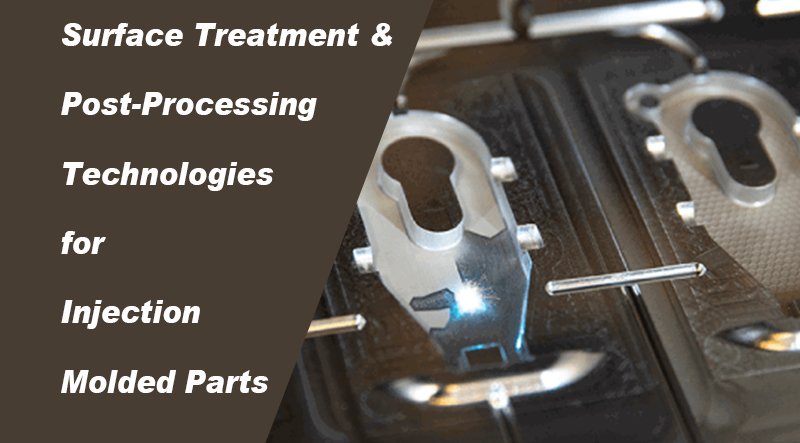
Injection molding is a remarkably efficient process for producing high‑volume plastic parts with tight tolerances and complex geometries. However, for many products, the part that comes out of the mold is only half‑finished.
Surface treatment and post‑processing are what transform a functional molded component into a market‑ready product – one that looks premium, feels right, performs reliably, and lasts. These value‑added operations can enhance aesthetics, improve durability, add functionality, and even reduce your total cost of ownership by eliminating downstream assembly steps.
At Ningbo Yinzhou Tuoda Plastic, we have been delivering comprehensive post‑processing solutions since 2008. In this guide, I will walk you through the full spectrum of surface treatment and finishing technologies – from traditional methods to emerging innovations – and show you how the right finishing strategy can elevate your product.
Why Post‑Processing Matters
A freshly molded plastic part often requires additional work before it is ready for assembly, packaging, or end‑use. Post‑processing serves several critical purposes:
-
Aesthetics: Creating the desired visual appearance – gloss, matte, texture, color, or metallic finish
-
Functionality: Adding features like non‑slip surfaces, antimicrobial properties, or electrical conductivity
-
Durability: Improving scratch resistance, UV stability, chemical resistance, and wear performance
-
Branding: Applying logos, labels, serial numbers, and product information
-
Assembly: Joining multiple components into a finished product
-
Compliance: Meeting industry‑specific requirements (food contact, medical, automotive)
The right combination of finishing operations can significantly increase the value of your parts – and, when planned early, can reduce overall project cost by eliminating redundant steps.
Categories of Post‑Processing Technologies
We can group surface treatment and post‑processing technologies into four main categories: mechanical finishing, surface coating & decoration, joining & assembly, and emerging integrated technologies.
1. Mechanical Finishing
These processes refine the physical surface of the part, removing imperfections and preparing it for subsequent operations.
Deflashing and Trimming
Almost every injection‑molded part requires removal of excess material – flash along parting lines, gate vestiges, and ejector pin marks. We use manual trimming for delicate parts, cryogenic deflashing for rubber and overmolded components, and CNC trimming for tight‑tolerance applications.
Polishing and Buffing
For parts that require a high‑gloss, mirror‑like finish, mechanical polishing and buffing remove tool marks and surface imperfections. This is common for cosmetic packaging, lighting components, and transparent parts.
Tumbling and Mass Finishing
For high‑volume small parts, tumbling with abrasive media smooths edges, removes burrs, and creates a uniform matte finish in a single automated batch process.
CNC Machining
Some features – fine holes, deep threads, or tight‑tolerance slots – cannot be molded directly. Post‑mold CNC machining adds these precision features, ensuring your parts meet even the most demanding specifications.
2. Surface Coating and Decoration
These processes apply additional layers or markings to the part surface, enhancing appearance, protection, or functionality.
Spray Painting
One of the most versatile finishing methods. We offer high‑gloss, matte, metallic, and soft‑touch coatings, as well as UV‑protective and anti‑scratch formulations. Painting can completely transform the look and feel of a part while adding a protective layer.
Plating and Vacuum Metallization
For parts that require a metallic appearance – chrome, nickel, gold, or silver – without the weight or cost of metal. Electroplating delivers high brightness and adhesion; vacuum metallization is more environmentally friendly and ideal for complex surfaces. Common applications include automotive trim, cosmetic packaging, and decorative hardware.
Pad Printing and Screen Printing
These are the workhorses of logo and graphic application. Pad printing transfers detailed 2D images onto curved or uneven surfaces – ideal for logos, buttons, and small parts. Screen printing creates thicker, more durable ink layers on flat or slightly curved surfaces, perfect for larger graphics and control panels.
Laser Marking and Engraving
Permanent, wear‑resistant, and chemical‑resistant marking. Laser engraving burns or etches logos, serial numbers, barcodes, and technical data directly into the plastic surface. No ink, no fading – ideal for medical, automotive, and electronics applications where traceability is critical.
Hot Stamping and Foil Stamping
Heat and pressure transfer metallic or pigmented foil onto the plastic surface, creating a premium, glossy finish. Widely used for luxury packaging, cosmetic caps, and gift items.
Heat Transfer Printing
Pre‑printed designs are transferred from a carrier film onto the part using heat and pressure. Supports full‑color, photorealistic images on curved surfaces – ideal for sporting goods, toys, and promotional items.
Flocking (Brushing)
Electrostatically implants nylon, PBT, or natural fibers into adhesive‑coated plastic bases. Creates durable brush surfaces for cleaning tools, cosmetic brushes, and industrial applicators.
3. Joining and Assembly
These processes combine multiple components into a finished product, reducing your supply chain complexity.
Ultrasonic Welding
High‑frequency vibrations create friction heat to bond thermoplastics in seconds. Fast, clean, and strong – ideal for electronics housings, medical devices, and automotive assemblies. No adhesives, no consumables.
Heat Staking and Insertion
Metal inserts (nuts, studs, contacts) are placed into plastic parts. Heat softens the plastic, which flows around and locks the insert in place. Essential for components that need repeated assembly or high mechanical strength.
Vibration Welding and Spin Welding
Linear or rotational friction generates heat to weld large, irregularly shaped parts (vibration) or circular components like bottles and filters (spin welding).
Snap‑Fit and Screw Assembly
Mechanical assembly using designed‑in features or threaded fasteners. Simple, reliable, and serviceable.
Adhesive Bonding
Structural adhesives, cyanoacrylates, or epoxy for bonding plastic to plastic or dissimilar materials – ideal for applications where welding is not feasible.
4. Emerging Integrated Technologies
The boundaries between molding and finishing are blurring. New technologies allow surface treatment to happen inside the mold – eliminating secondary operations entirely.
In‑Mold Coating (IMC)
A groundbreaking development: coating material is applied and cured while the resin is still in the mold, eliminating the need for secondary painting. This approach improves adhesion and surface durability, reduces VOC emissions and energy consumption, and broadens design flexibility with integrated textures and functional coatings. In October 2025, Toyoda Gosei and Kansai Paint launched Japan’s first IMC technology, targeting automotive interior and exterior parts requiring high‑class surface finishes.
In‑Mold Decoration (IMD) and In‑Mold Labeling (IML)
Pre‑printed films or labels are placed into the mold before injection. The plastic bonds with the decoration during molding, creating a seamless, fade‑resistant surface that won’t peel or scratch. IMD is evolving rapidly toward smart surfaces – embedding conductive inks, sensors, lighting, and antennas into the decorative film to create touch‑sensitive, interactive interfaces. Advanced finishes now include high‑gloss piano black, matte textures, metallic sheens, wood and carbon fiber effects, and even haptic feedback surfaces.
In‑Mold Electronics (IME)
A subset of IMD where electronic functionality is integrated directly into the molded part. Printed conductive inks and embedded components create “smart surfaces” – button‑free dashboards with touch controls, ambient lighting, and seamless user interfaces.
Glow HRS Technology
A patent‑pending hot‑runner solution that enables direct injection of aesthetic parts with superior surface quality – eliminating halos and reducing post‑molding rework. Parts come out of the mold with premium surfaces, ready for installation, significantly reducing costly post‑processing.
Nanostructure Surface Modification
Advanced surface engineering at the nanoscale – modifying the tertiary structure of mold surfaces to optimize demoulding forces. This reduces ejection stress on soft parts, prevents deformation, and allows shorter cooling cycles for improved efficiency. Particularly valuable for high‑precision medical device molding.
Plasma Treatment
Surface activation using plasma technology improves adhesion for printing, painting, or bonding – without chemicals or primers. Increasingly used as a sustainable, dry alternative to wet chemical treatments.
Sustainability in Finishing
The finishing industry is undergoing a green transformation. Key trends include:
-
Eliminating secondary operations: Technologies like IMC, IMD, and Glow HRS reduce or eliminate painting, trimming, and transfer steps – saving energy and reducing waste.
-
Water‑based and UV‑curable inks: Minimizing VOC emissions in printing and decorating.
-
Sustainable coatings: High‑performance coatings that extend tool life and reduce consumable usage.
-
Mono‑material design: Parts that leave the mold fully decorated and recyclable without additional reworking.
-
Bio‑based and recycled films: Reducing reliance on virgin plastics in IMD and IML applications.
How to Choose the Right Finishing Strategy
Selecting the optimal surface treatment and post‑processing approach depends on several factors:
| Factor | Consideration |
|---|---|
| Aesthetic requirements | Gloss, matte, texture, color, metallic effect, or printed graphics |
| Functional needs | Scratch resistance, UV stability, chemical resistance, non‑slip, antimicrobial |
| Regulatory compliance | Food contact, medical, automotive, or aerospace standards |
| Volume | High‑volume parts justify investment in automated or in‑mold finishing |
| Budget | Integrated technologies have higher upfront tooling costs but lower per‑part costs |
| Sustainability goals | Eliminating secondary operations reduces energy and waste |
Our engineering team helps you evaluate these factors early – during the DFM phase – so that finishing is designed in, not added on.
The Tuoda Plastic Advantage
At Ningbo Yinzhou Tuoda Plastic, we offer a comprehensive range of post‑processing capabilities under one roof:
-
Mechanical finishing: Deflashing, polishing, tumbling, CNC machining
-
Surface coating and decoration: Spray painting, pad printing, screen printing, laser marking, hot stamping, heat transfer, plating, vacuum metallization, flocking
-
Joining and assembly: Ultrasonic welding, heat staking, vibration welding, adhesive bonding, snap‑fit and screw assembly
-
Packaging: Custom blister packs, clamshells, retail boxes, and poly bags
We also stay at the forefront of emerging integrated technologies – IMC, IMD, IME, and advanced surface engineering – so our clients can access the latest innovations without investing in the technology themselves.
Your Next Step
Whether you need a simple logo imprint or a fully decorated, assembled, and packaged product, we have the capabilities to deliver.
Contact us to discuss your finishing requirements and request a free DFM review.
-
Email: contact@tuodaplastic.com
-
Phone: +86 135 8686 8074
-
Location: Ningbo, China