
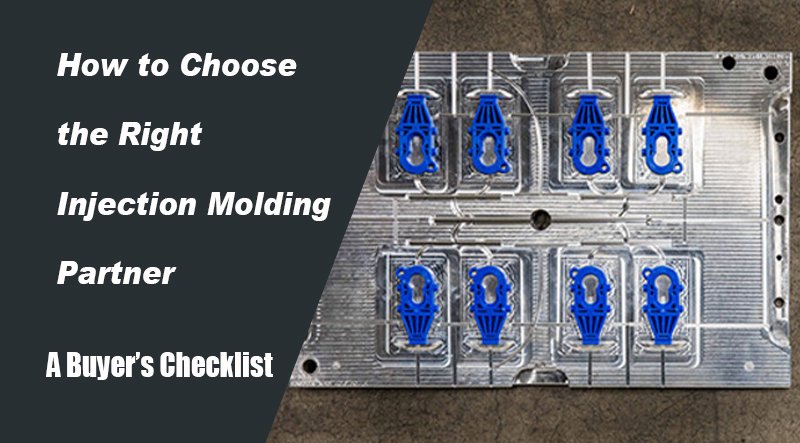
Sourcing injection molded parts from overseas can feel like navigating a minefield. Low price quotes often hide risks—poor quality, delayed deliveries, or communication breakdowns. Meanwhile, the most capable suppliers may not be the cheapest, but they deliver consistency, reliability, and peace of mind.
So how do you separate the trusted partners from the rest?
At Ningbo Yinzhou Tuoda Plastic, we have worked with clients across consumer goods, electronics, medical devices, and industrial equipment. Over 18 years, we have seen what makes a sourcing relationship succeed—and what causes it to fail.
In this guide, I will walk you through a practical checklist for evaluating injection molding suppliers. Whether you are sourcing for the first time or looking to switch partners, these criteria will help you make a confident decision.
1. Technical Capability and Industry Expertise
A supplier’s technical capability is the foundation of everything else. You need a partner who understands not just how to run a molding machine, but how to solve problems before they happen.
What to look for:
-
Design for Manufacturability (DFM) support: Does the supplier review your 3D files and provide detailed feedback on wall thickness, draft angles, gate placement, and potential defects? A good DFM review can save you thousands in tooling modifications. We provide a formal DFM report for every project before we cut any steel.
-
Material expertise: Can the supplier recommend the right material for your application—whether it is food-grade PP, flame-retardant ABS, or sustainable alternatives like wheat straw bio-plastic? Do they understand material behavior, shrinkage, and flow characteristics?
-
Secondary operations: Does the supplier offer in-house post-processing—printing, welding, painting, plating, assembly, and packaging? A one-stop shop reduces lead times and eliminates the headache of managing multiple vendors.
-
Industry experience: Have they worked on similar products in your industry? Cross-industry experience (consumer, medical, automotive, industrial) often brings innovative solutions to new challenges.
2. Quality Management Systems and Certifications
Quality is not just about inspecting finished parts. It is about building quality into every step of the process.
What to look for:
- In-process inspection: Does the supplier perform regular inspections during production—not just at the end? We use AQL (Acceptable Quality Level) sampling plans and monitor critical process parameters in real time.
-
Traceability: Can the supplier trace every batch of parts back to the raw material lot, molding machine, and production shift? This is essential for regulated industries.
-
First Article Inspection (FAI): Does the supplier provide a detailed FAI report with dimensional data before mass production starts? This ensures the first parts match your specifications exactly.
-
Corrective action process: When issues arise, does the supplier have a structured process (like 8D or CAPA) to find root causes and prevent recurrence?
3. Communication and Responsiveness
Distance and time zones can create friction. A supplier who communicates clearly and responds quickly is worth their weight in gold.
What to look for:
-
Single point of contact: Do you work with a dedicated project manager who understands your project from end to end? Or do you get passed between departments?
-
Response time: How quickly do they reply to emails? Do they provide regular updates with photos and videos, or do you have to chase them for information?
-
Language and technical fluency: Can they explain technical issues clearly in English? Do they understand engineering drawings and tolerances?
-
Proactive communication: Do they flag potential issues early, or do they wait until problems become crises? A good supplier will tell you about a delay before it happens, not after.
4. Tooling Capabilities and Mold Quality
The mold is the heart of the injection molding process. A poorly built mold will cause defects, delays, and high maintenance costs for years.
What to look for:
-
In-house toolmaking: Does the supplier design and build molds in-house, or do they outsource? In-house capability means better quality control, faster modifications, and shorter lead times.
-
Mold materials: Do they use appropriate steel grades for your production volume? Pre-hardened steel for high-volume production, aluminum for prototyping—the right material matters.
-
Mold design software: Do they use simulation tools (like Moldflow) to predict filling, cooling, and warpage before machining begins? This prevents costly surprises.
-
Maintenance program: Do they have a scheduled maintenance program to keep molds in good condition over multiple production runs?
5. Location and Logistics
Where your supplier is located affects lead times, shipping costs, and supply chain resilience.
What to look for:
-
Manufacturing cluster: Is the supplier located in an industrial cluster with access to raw materials, subcontractors, and logistics infrastructure? Ningbo City Zhejiang province are among China’s premier manufacturing hubs.
-
Port proximity: How close is the supplier to major ports? This reduces inland shipping costs and transit times.
-
Shipping options: Can they handle air freight, sea freight, and express courier? Do they have experience with your target market’s customs requirements?
-
Scalability: Can they scale production up or down based on your demand fluctuations?
6. Financial Stability and Long-Term Viability
You need a supplier who will be around for the long haul—not one who disappears after the first order.
What to look for:
-
Years in business: A supplier with 10+ years of experience has survived market cycles, built systems, and refined their processes.
-
Client retention: Do they have long-term relationships with repeat customers? This is one of the best indicators of reliability.
-
Financial transparency: Are they willing to share basic financial information or bank references? This is especially important for large, long-term projects.
-
Investment in equipment: Do they regularly invest in new machinery, technology, and training? Stagnant suppliers fall behind.
7. Sustainability and Compliance
Increasingly, buyers are expected to demonstrate environmental and social responsibility throughout their supply chain.
What to look for:
-
Environmental management: Does the supplier have a clear environmental policy? Do they recycle waste, manage energy use, and handle hazardous materials properly?
-
Sustainable materials: Can they process recycled content (RPP, rABS, rPET), bio-based materials (PLA, wheat straw), or other eco-friendly alternatives?
-
Regulatory compliance: Do they understand and comply with REACH, RoHS, FDA, LFGB, and other relevant regulations for your target market?
-
Social responsibility: Do they have a code of conduct covering human rights, labor practices, and health & safety?
The Tuoda Plastic Difference
At Ningbo Yinzhou Tuoda Plastic, we have been building long-term partnerships since 2008. Here is what our clients consistently tell us sets us apart:
-
Technical depth: Our engineering team provides detailed DFM feedback on every project, catching issues before tooling begins.
-
One-stop convenience: From mold design to mass production to packaging and shipping—all under one roof.
-
Quality consistency: We maintain a customer complaint rate below 0.5% through rigorous in-process inspection and traceability.
-
Transparent communication: You get a dedicated project manager, regular updates, and no surprises.
-
Sustainability commitment: We offer a full range of eco-friendly materials and operate with environmental responsibility.
Your Next Step
Choosing the right injection molding partner is one of the most important decisions you will make for your product. Use this checklist to evaluate your options—and when you are ready, we would welcome the opportunity to show you how we measure up.
Contact us for a free DFM review and quote.
-
Email: contact@tuodaplastic.com
-
Phone: +86 135 8686 8074
-
Location: Ningbo, China