
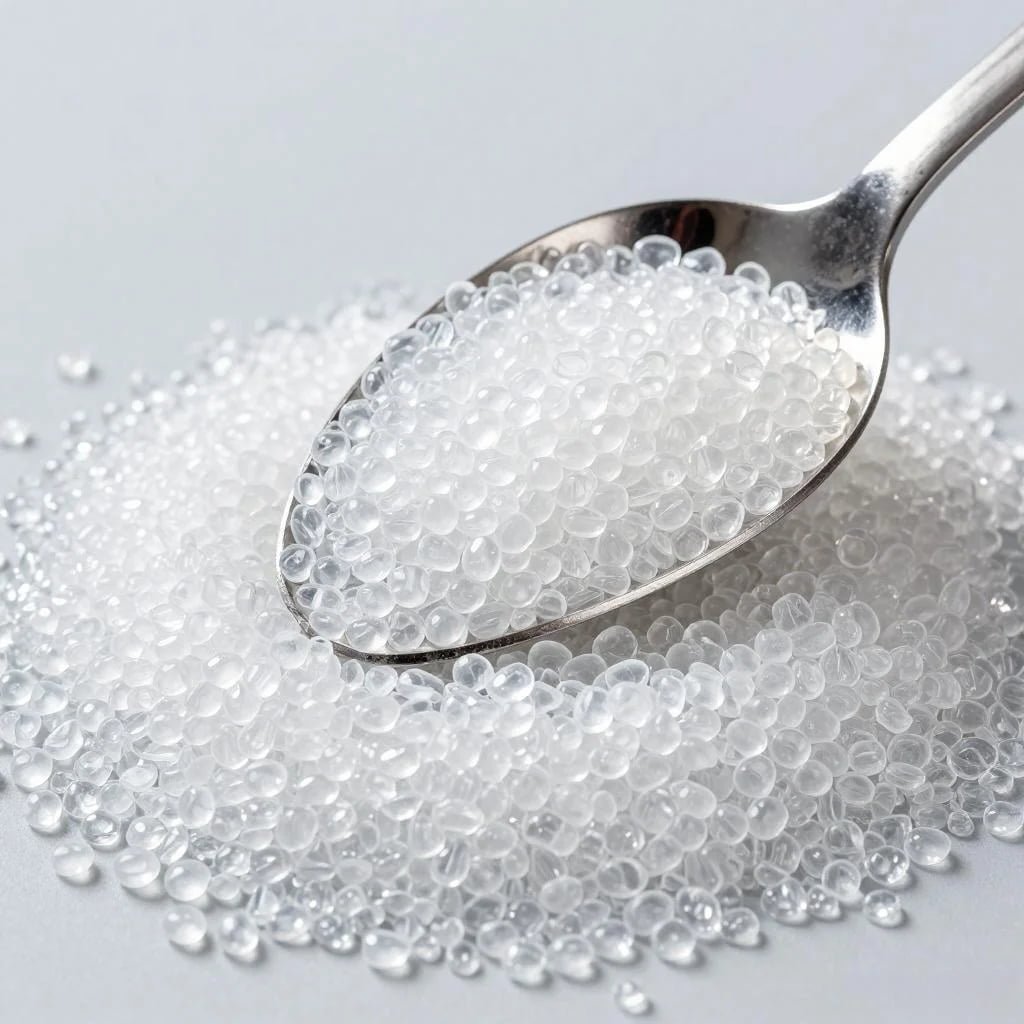
Your Partner in Modern Material Selection
At Ningbo Yinzhou Tuoda Plastic, we believe that great products start with the right materials. With over 18 years of experience in injection molding, we have worked with a wide spectrum of plastics—from trusted conventional resins to innovative eco‑friendly alternatives. Whether your priority is durability, aesthetics, heat resistance, or sustainability, we have the material expertise to match.
In this post, I’ll walk you through the materials we commonly use and how we help clients select the perfect fit for their applications.
Part 1: Conventional Plastics – The Workhorses of Injection Molding
These materials have stood the test of time. They are reliable, versatile, and available in a wide range of grades to suit different performance requirements.
| Material | Key Properties | Common Applications |
|---|---|---|
| PP (Polypropylene) | Food safe, microwave & dishwasher safe, excellent chemical resistance | Kitchenware, food containers, automotive parts, medical devices |
| PE (Polyethylene) | Flexible or rigid, impact resistant, moisture barrier | Bottles, caps, toys, industrial liners |
| PS (Polystyrene) | High clarity (GPPS) or impact resistant (HIPS), cost‑effective | Transparent packaging, disposable cutlery, housings |
| ABS | High strength, toughness, gloss, easy to paint/plate | Electronics housings, automotive trim, consumer goods |
| PC (Polycarbonate) | High impact strength, optical clarity, heat resistant | Eyewear, lenses, electrical components, protective equipment |
| PA (Nylon) | Excellent wear resistance, low friction, high strength | Gears, bearings, industrial parts, automotive under‑hood components |
| POM (Acetal) | High stiffness, low friction, excellent dimensional stability | Precision parts, gears, zippers, valves |
| TPE / TPR | Rubber‑like flexibility, soft touch | Grips, seals, overmolded soft‑touch surfaces |
| TPU | Excellent abrasion resistance, high elasticity, oil resistant | Protective cases, footwear, casters, seals |
| PVC | Flexible or rigid, chemical resistant, flame retardant | Pipes, profiles, wire insulation, inflatables |
| PMMA (Acrylic) | Excellent optical clarity, scratch resistant, weatherable | Displays, lighting lenses, signage, cosmetic packaging |
| PET / PBT | Good strength, chemical resistance, dimensional stability | Bottles, food trays, electrical components |
| PPS | High heat resistance (up to 240°C), excellent chemical resistance, inherently flame retardant | Automotive under‑hood components, electrical connectors, pump parts |
| Tritan™ (Copolyester) | BPA‑free, high clarity, impact resistant, dishwasher durable | Food storage containers, water bottles, baby products |
Part 2: Eco‑Friendly & Sustainable Materials – The Future of Plastics
As global demand for sustainable products grows, we have invested heavily in processing environmentally responsible materials. These alternatives allow our clients to reduce their carbon footprint without compromising on quality or performance.
1. Wheat Straw Bio‑Plastic
A natural fiber‑reinforced composite made from agricultural by‑products (wheat straw). It is renewable, biodegradable options are available, and it significantly reduces carbon footprint compared to conventional plastics.
-
Best for: Eco‑friendly tableware, planters, gift items, cosmetic packaging
-
Key benefit: Utilizes agricultural waste, offers a natural, textured aesthetic
2. RPP (Recycled Polypropylene)
Post‑industrial or post‑consumer recycled PP that helps close the loop on plastic waste. Available in various grades and colors.
-
Best for: Eco‑conscious consumer goods, industrial bins, automotive parts, packaging
-
Key benefit: Reduces virgin plastic use, supports circular economy goals
3. PLA (Polylactic Acid)
A biodegradable and bioactive bioplastic derived from renewable resources like corn starch or sugarcane. Compostable under industrial conditions.
-
Best for: Cold drink cups, food containers, disposable cutlery, compostable packaging
-
Key benefit: Plant‑based, compostable, ideal for short‑lifecycle applications
4. Recycled ABS (rABS)
Post‑industrial or post‑consumer recycled ABS that maintains good impact resistance and processability.
-
Best for: Electronics housings, automotive parts, consumer goods where sustainability is prioritized
-
Key benefit: Retains performance of virgin ABS while reducing environmental impact
5. Bio‑Based PE
Polyethylene derived from renewable resources (e.g., sugarcane ethanol) rather than fossil fuels. Chemically identical to conventional PE, so it can be recycled in the same stream.
-
Best for: Sustainable packaging, bottles, containers
-
Key benefit: Renewable source, no change to existing recycling infrastructure
6. rPET (Recycled PET)
Post‑consumer recycled PET, commonly from bottles. Reduces waste and energy consumption.
-
Best for: New bottles, food trays, strapping, textile applications
-
Key benefit: High recyclability, widely accepted in consumer markets
7. PCR (Post‑Consumer Recycled) Materials
A broad category encompassing various plastics recycled from end‑of‑life consumer products. Customizable blends are available based on project requirements.
-
Best for: Brands seeking to meet sustainability goals across diverse product lines
-
Key benefit: Reduces virgin plastic usage, supports closed‑loop initiatives
8. Wood‑Plastic Composite (WPC)
A blend of wood fibers/flour and thermoplastics. Combines the natural look of wood with the durability and low maintenance of plastic.
-
Best for: Decking, outdoor furniture, fencing, automotive interiors
-
Key benefit: Natural wood appearance with plastic durability
Part 3: How We Help You Choose the Right Material
Selecting the optimal material for your product involves balancing multiple factors. Our engineering team works closely with you to evaluate:
-
Application requirements: Will the product be used indoors or outdoors? Does it need to withstand high temperatures or chemicals?
-
Regulatory compliance: Does it require food contact approval? Flame retardancy? Medical certifications?
-
Aesthetic goals: Do you need clarity, a specific color, or a particular surface texture?
-
Sustainability targets: Are you aiming for recycled content? Biodegradability? Renewable sources?
-
Cost considerations: What is your target price point for materials?
We also offer material testing and validation to ensure that your chosen material performs exactly as needed before we move into production.
Why Material Expertise Matters
When you work with Tuoda Plastic, you gain more than just a molder—you gain a partner who understands the nuances of material science. We help you:
-
Avoid costly mistakes by selecting the right material from the start
-
Optimize performance through material‑specific design considerations
-
Meet sustainability goals with eco‑friendly alternatives
-
Navigate regulatory requirements with materials that are fully compliant
Ready to Explore Material Options for Your Next Project?
Whether you need a conventional engineering plastic or a cutting‑edge sustainable material, we have the experience and processing capabilities to bring your vision to life.
Let’s discuss your material needs.
-
Email: contact@tuodaplastic.com
-
Phone: +86 135 8686 8074
-
Location: Ningbo, Zhejiang, China
Stay tuned for more industry insights, case studies, and design tips from our workshop.